Back to Blog العودة للمدونة

Article مقال

Why Rule-Based Bots Beat AI Chatbots for Small Business لماذا تتفوق الروبوتات القائمة على القواعد على روبوتات الذكاء الاصطناعي للمشاريع الصغيرة؟

May 30, 2026
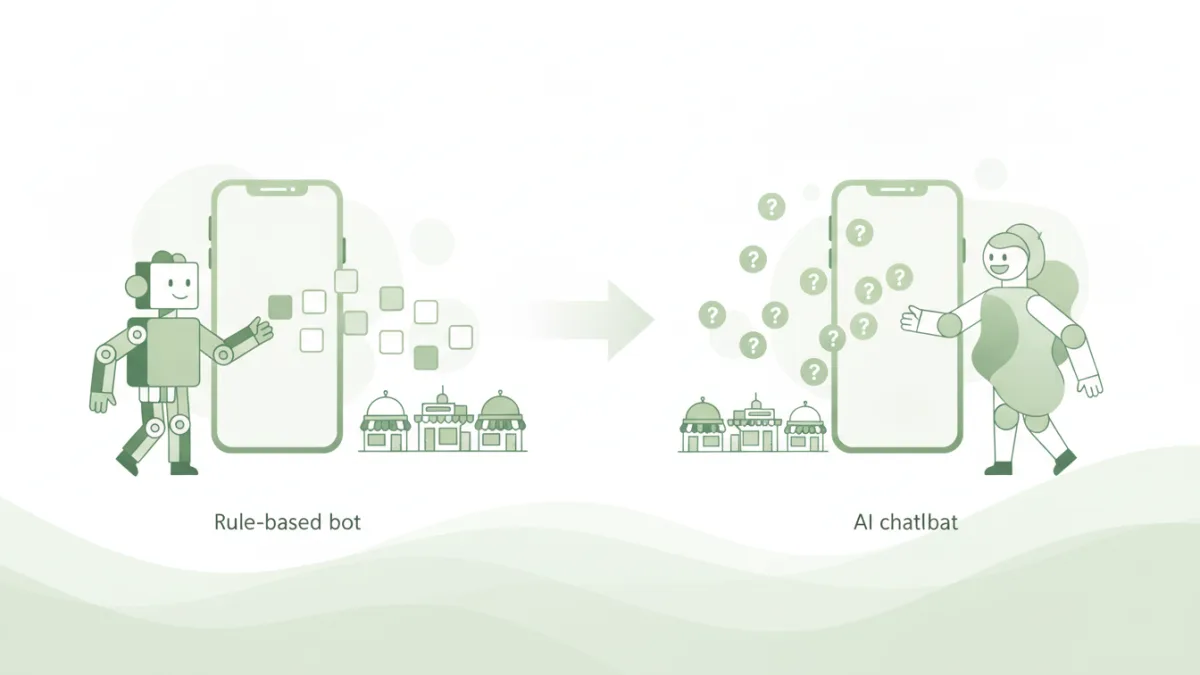
Why Rule-Based Bots Beat AI Chatbots for Small Business

For small businesses, rule-based chatbots often outperform AI. Discover why predictability, cost-effectiveness, and ease of use make them ideal for WhatsApp automation. للمشاريع الصغيرة، تتفوق روبوتات الدردشة القائمة على القواعد على الذكاء الاصطناعي. اكتشف لماذا هي مثالية لأتمتة واتساب بفضل التنبؤ والتكلفة وسهولة الاستخدام.

Introduction

In today's fast-paced digital world, small businesses face the constant challenge of managing customer inquiries efficiently and cost-effectively. With the rise of AI and generative models, the conversation often steers towards advanced AI chatbots. However, for the majority of small and medium-sized enterprises (SMEs), particularly in dynamic markets like Saudi Arabia, a simpler, more predictable solution often outperforms its sophisticated AI counterpart: the rule-based chatbot. While AI chatbots promise revolutionary interactions, rule-based bots offer a practical, reliable, and affordable path to superior customer service on platforms like WhatsApp.

Understanding the Tools: Rule-Based vs. AI Chatbots

Before diving into why one might be better than the other, let's clarify what each entails:

  • Rule-Based Bots: These are automated systems that operate on a predefined set of rules, keywords, and conditions. They follow a logical "if this, then that" structure. For example, if a customer types "opening hours," the bot is programmed to respond with your business hours. They are predictable, precise, and excellent at handling specific, repetitive queries.
  • AI Chatbots (Generative AI/LLMs): These bots leverage machine learning, natural language processing (NLP), and large language models (LLMs) to understand context, generate human-like responses, and even learn from interactions over time. They aim to mimic human conversation, offering flexibility and the ability to handle more complex, open-ended questions.

The Undeniable Advantages of Rule-Based Bots for Small Businesses

For most SMEs, the perceived glamour of AI often overshadows the practical benefits of rule-based systems. Here's why rule-based bots are typically the superior choice:

1. Predictability and Control

Small businesses thrive on consistency. When a customer asks a question, you need to ensure they receive the correct, approved answer every single time. Rule-based bots guarantee this. They stick to the script you provide, eliminating the risk of "hallucinations" or off-topic responses that can plague generative AI. Imagine a customer asking a local Riyadh restaurant about their daily specials; a rule-based bot will accurately list them, while an AI might invent a dish or struggle with specific local cuisine names.

2. Cost-Effectiveness

Budget is a major consideration for small businesses. Rule-based bots are significantly more affordable to develop, implement, and maintain. They don't require vast amounts of training data, complex algorithms, or high-powered computing resources. AI chatbots, on the other hand, demand substantial investment in development, continuous training, and often per-query costs, making them prohibitive for many SMEs.

3. Ease of Implementation and Management

Setting up a rule-based bot is often intuitive and can be done by business owners or their teams with minimal technical expertise. Platforms like Atheer provide user-friendly interfaces to define rules, keywords, and response flows. This means you can quickly deploy a bot, make adjustments on the fly, and scale as needed without relying on specialized AI developers.

4. Exceptional Performance on Common Queries

A vast majority of customer inquiries for small businesses are repetitive and transactional. These include:

  • FAQs: "What are your delivery areas in Jeddah?", "Do you have parking?", "What's your return policy for abayas?"
  • Order Status: "Where is my order #12345?"
  • Bookings: "Can I book a car service appointment for Saturday at 3 PM?" (e.g., a car detailing shop in Dammam).
  • Product Information: "Do you offer 'oud' wood in various grades?", "What are the ingredients in your traditional Saudi sweets?"

Rule-based bots handle these with speed and accuracy, freeing up human agents for more complex issues.

5. Data Security and Privacy

With rule-based bots, data handling is straightforward and confined to the parameters you define. This reduces concerns about sensitive customer information being processed by complex AI models whose data usage policies might be less transparent or harder to control, a critical factor for businesses operating under strict local regulations.

6. Optimized Customer Experience for Core Needs

Customers often seek quick, direct answers. A rule-based bot delivers exactly that. It guides them efficiently through options, providing instant gratification. While an AI might offer a more "conversational" experience, if it takes longer to understand the query or provides an irrelevant answer, the customer experience suffers. For a small gift shop in Al Khobar, a bot that can instantly confirm stock of a specific item or provide directions is far more valuable than one that can discuss the philosophy of gift-giving.

Real-World Examples in the Saudi/Gulf Market:

  • A Local Restaurant in Riyadh: A customer asks, "Do you have a family section?" or "What are your Iftar timings during Ramadan?" A rule-based bot can instantly provide accurate answers. An AI might get confused by cultural nuances or specific seasonal timings.
  • An Online Abaya Store: Queries like "What sizes are available for this abaya?" or "Do you ship to Oman?" are perfectly handled by a rule-based system, ensuring customers get precise information without delay.
  • A Car Service Center in Dammam: Customers frequently ask, "How much for an oil change?", "Can I book an appointment for Tuesday?", or "Do you offer car wash services?" These are straightforward and can be automated with high accuracy.
  • A Dates and Sweets Shop: "What varieties of dates do you have?", "Do you offer gift packaging for dates?", "What are your bulk order discounts?" - all ideal for rule-based automation.

When Might AI Chatbots Be Considered?

While rule-based bots excel for small businesses, AI chatbots do have their place, primarily for large enterprises with:

  • Vast, diverse, and unstructured data sets for training.
  • A need for highly complex, open-ended conversations that require deep contextual understanding and empathy.
  • Significant budgets for development, maintenance, and continuous optimization.

For most small businesses, these scenarios are rare and often unnecessary.

Conclusion

For small businesses navigating the competitive landscape of Saudi Arabia and the Gulf, efficiency, reliability, and cost-effectiveness are paramount. While the allure of advanced AI is strong, rule-based chatbots provide a pragmatic, powerful solution for automating customer communication on WhatsApp. They offer predictable responses, are easy to manage, and handle the vast majority of common customer queries with unparalleled accuracy, allowing businesses to focus on growth and delivering exceptional human service where it truly matters.

Are rule-based bots limited in functionality?

While rule-based bots operate within defined parameters, they are highly effective for a wide range of common business tasks, from answering FAQs and processing simple requests to guiding users through information. Their "limitations" are often their strengths, ensuring focused and accurate interactions.

Can rule-based bots integrate with other systems?

Absolutely. Many rule-based bot platforms, including Atheer, offer integrations with CRM systems, e-commerce platforms, and other business tools. This allows bots to retrieve and update information (e.g., order status, appointment availability) seamlessly, providing a more comprehensive automated experience.

How long does it take to set up a rule-based bot?

The setup time for a rule-based bot can vary depending on the complexity of your rules and the number of queries you want to automate. However, basic bots for FAQs can often be configured and deployed within a few hours to a few days, especially with user-friendly platforms like Atheer.

Ready to streamline your WhatsApp communication? Try Atheer today!

مقدمة

في عالم الأعمال الرقمي سريع التطور اليوم، تواجه المشاريع الصغيرة والمتوسطة تحدياً مستمراً في إدارة استفسارات العملاء بكفاءة وفعالية من حيث التكلفة. ومع صعود الذكاء الاصطناعي ونماذجه التوليدية، غالباً ما يتجه الحديث نحو روبوتات الدردشة المتقدمة المدعومة بالذكاء الاصطناعي. ومع ذلك، بالنسبة لغالبية الشركات الصغيرة والمتوسطة، وخاصة في الأسواق الديناميكية مثل المملكة العربية السعودية، غالباً ما يتفوق الحل الأبسط والأكثر قابلية للتنبؤ على نظيره المعقد المدعوم بالذكاء الاصطناعي: وهو روبوت الدردشة القائم على القواعد. بينما تعد روبوتات الذكاء الاصطناعي بتفاعلات ثورية، تقدم الروبوتات القائمة على القواعد مساراً عملياً وموثوقاً به وبأسعار معقولة لخدمة عملاء ممتازة على منصات مثل واتساب.

فهم الأدوات: الروبوتات القائمة على القواعد مقابل روبوتات الذكاء الاصطناعي

قبل الخوض في سبب تفضيل أحدها على الآخر، دعنا نوضح ما يعنيه كل منهما:

  • الروبوتات القائمة على القواعد (Rule-Based Bots): هي أنظمة آلية تعمل بناءً على مجموعة محددة مسبقاً من القواعد والكلمات المفتاحية والشروط. تتبع هذه الروبوتات بنية منطقية "إذا كان هذا، فذاك". على سبيل المثال، إذا كتب العميل "ساعات العمل"، فإن الروبوت مبرمج على الرد بساعات عمل عملك. تتميز هذه الروبوتات بالقدرة على التنبؤ والدقة، وهي ممتازة في التعامل مع الاستفسارات المحددة والمتكررة.
  • روبوتات الدردشة المدعومة بالذكاء الاصطناعي (AI Chatbots / Generative AI/LLMs): تستفيد هذه الروبوتات من التعلم الآلي ومعالجة اللغة الطبيعية (NLP) ونماذج اللغة الكبيرة (LLMs) لفهم السياق وتوليد ردود شبيهة بالبشر، وحتى التعلم من التفاعلات بمرور الوقت. تهدف إلى محاكاة المحادثات البشرية، وتقديم المرونة والقدرة على التعامل مع الأسئلة الأكثر تعقيداً وغير المحددة.

المزايا التي لا يمكن إنكارها للروبوتات القائمة على القواعد للمشاريع الصغيرة

بالنسبة لمعظم الشركات الصغيرة والمتوسطة، غالباً ما يطغى بريق الذكاء الاصطناعي المتصور على الفوائد العملية للأنظمة القائمة على القواعد. إليك لماذا تعد الروبوتات القائمة على القواعد هي الخيار الأمثل عادةً:

1. القدرة على التنبؤ والتحكم

تزدهر المشاريع الصغيرة على الاتساق. عندما يطرح العميل سؤالاً، تحتاج إلى التأكد من حصوله على الإجابة الصحيحة والمعتمدة في كل مرة. تضمن الروبوتات القائمة على القواعد ذلك. فهي تلتزم بالنص الذي تقدمه، مما يزيل خطر "الهلوسات" أو الردود الخارجة عن الموضوع التي يمكن أن تعاني منها الروبوتات التوليدية المدعومة بالذكاء الاصطناعي. تخيل عميلاً يسأل مطعماً محلياً في الرياض عن أطباقه اليومية الخاصة؛ سيقوم الروبوت القائم على القواعد بسردها بدقة، بينما قد يخترع روبوت الذكاء الاصطناعي طبقاً أو يواجه صعوبة في أسماء الأطباق المحلية المحددة.

2. الفعالية من حيث التكلفة

الميزانية هي اعتبار رئيسي للمشاريع الصغيرة. الروبوتات القائمة على القواعد أقل تكلفة بكثير في التطوير والتنفيذ والصيانة. فهي لا تتطلب كميات هائلة من بيانات التدريب، أو خوارزميات معقدة، أو موارد حوسبة عالية الطاقة. في المقابل، تتطلب روبوتات الذكاء الاصطناعي استثماراً كبيراً في التطوير والتدريب المستمر، وغالباً ما تكون هناك تكاليف لكل استفسار، مما يجعلها باهظة الثمن بالنسبة للعديد من الشركات الصغيرة والمتوسطة.

3. سهولة التنفيذ والإدارة

غالباً ما يكون إعداد الروبوت القائم على القواعد بديهياً ويمكن أن يتم بواسطة أصحاب الأعمال أو فرقهم بأقل قدر من الخبرة التقنية. توفر منصات مثل أثير واجهات سهلة الاستخدام لتحديد القواعد والكلمات المفتاحية وتدفقات الاستجابة. هذا يعني أنه يمكنك نشر روبوت بسرعة، وإجراء تعديلات فورية، والتوسع حسب الحاجة دون الاعتماد على مطورين متخصصين في الذكاء الاصطناعي.

4. أداء استثنائي للاستفسارات الشائعة

الغالبية العظمى من استفسارات العملاء للمشاريع الصغيرة متكررة وتتعلق بالمعاملات. وتشمل هذه:

  • الأسئلة الشائعة (FAQs): "ما هي مناطق التوصيل لديكم في جدة؟"، "هل لديكم مواقف للسيارات؟"، "ما هي سياسة الإرجاع للعبايات؟"
  • حالة الطلب: "أين طلبي رقم 12345؟"
  • الحجوزات: "هل يمكنني حجز موعد لخدمة سيارات يوم السبت الساعة 3 عصراً؟" (على سبيل المثال، محل تلميع سيارات في الدمام).
  • معلومات المنتج: "هل تقدمون خشب العود بدرجات مختلفة؟"، "ما هي مكونات حلوياتكم السعودية التقليدية؟"

تتعامل الروبوتات القائمة على القواعد مع هذه الاستفسارات بسرعة ودقة، مما يحرر الوكلاء البشريين للتعامل مع المشكلات الأكثر تعقيداً.

5. أمان البيانات والخصوصية

مع الروبوتات القائمة على القواعد، يكون التعامل مع البيانات مباشراً ومحصوراً بالمعايير التي تحددها. وهذا يقلل من المخاوف المتعلقة بمعالجة معلومات العملاء الحساسة بواسطة نماذج الذكاء الاصطناعي المعقدة التي قد تكون سياسات استخدام بياناتها أقل شفافية أو يصعب التحكم فيها، وهو عامل حاسم للشركات التي تعمل بموجب لوائح محلية صارمة.

6. تجربة عملاء محسّنة للاحتياجات الأساسية

غالباً ما يبحث العملاء عن إجابات سريعة ومباشرة. يقدم الروبوت القائم على القواعد ذلك بالضبط. فهو يرشدهم بكفاءة عبر الخيارات، ويوفر إرضاءً فورياً. بينما قد يقدم روبوت الذكاء الاصطناعي تجربة "محادثة" أكثر، إذا استغرق وقتاً أطول لفهم الاستفسار أو قدم إجابة غير ذات صلة، فإن تجربة العميل تتأثر سلباً. بالنسبة لمتجر هدايا صغير في الخبر، فإن الروبوت الذي يمكنه تأكيد توفر سلعة معينة على الفور أو تقديم الاتجاهات هو أكثر قيمة بكثير من روبوت يمكنه مناقشة فلسفة تقديم الهدايا.

أمثلة واقعية في السوق السعودي والخليجي:

  • مطعم محلي في الرياض: يسأل العميل، "هل لديكم قسم عائلات؟" أو "ما هي مواعيد الإفطار لديكم خلال رمضان؟" يمكن للروبوت القائم على القواعد تقديم إجابات دقيقة على الفور. قد يختلط الأمر على روبوت الذكاء الاصطناعي بسبب الفروق الثقافية الدقيقة أو التوقيتات الموسمية المحددة.
  • متجر عبايات إلكتروني: تُعالج الاستفسارات مثل "ما هي المقاسات المتوفرة لهذه العباية؟" أو "هل تشحنون إلى عُمان؟" بشكل مثالي بواسطة نظام قائم على القواعد، مما يضمن حصول العملاء على معلومات دقيقة دون تأخير.
  • مركز خدمة سيارات في الدمام: يسأل العملاء بشكل متكرر، "كم تكلفة تغيير الزيت؟"، "هل يمكنني حجز موعد ليوم الثلاثاء؟"، أو "هل تقدمون خدمات غسيل السيارات؟" هذه الاستفسارات مباشرة ويمكن أتمتتها بدقة عالية.
  • محل تمور وحلويات: "ما هي أنواع التمور المتوفرة لديكم؟"، "هل تقدمون تغليفاً للهدايا للتمور؟"، "ما هي خصوماتكم للطلبات الكبيرة؟" - كلها مثالية للأتمتة القائمة على القواعد.

متى قد تكون روبوتات الذكاء الاصطناعي مفيدة؟

بينما تتفوق الروبوتات القائمة على القواعد للمشاريع الصغيرة، فإن لروبوتات الذكاء الاصطناعي مكانتها، في المقام الأول للمؤسسات الكبيرة التي لديها:

  • مجموعات بيانات ضخمة ومتنوعة وغير منظمة للتدريب.
  • حاجة إلى محادثات معقدة للغاية ومفتوحة تتطلب فهماً سياقياً عميقاً وتعاطفاً.
  • ميزانيات كبيرة للتطوير والصيانة والتحسين المستمر.

بالنسبة لمعظم المشاريع الصغيرة، فإن هذه السيناريوهات نادرة وغالباً ما تكون غير ضرورية.

الخاتمة

بالنسبة للمشاريع الصغيرة التي تتنقل في المشهد التنافسي للمملكة العربية السعودية والخليج، فإن الكفاءة والموثوقية والفعالية من حيث التكلفة هي الأهم. بينما جاذبية الذكاء الاصطناعي المتقدم قوية، توفر روبوتات الدردشة القائمة على القواعد حلاً عملياً وقوياً لأتمتة اتصالات العملاء على واتساب. إنها تقدم ردوداً يمكن التنبؤ بها، وسهلة الإدارة، وتتعامل مع الغالبية العظمى من استفسارات العملاء الشائعة بدقة لا مثيل لها، مما يسمح للشركات بالتركيز على النمو وتقديم خدمة بشرية استثنائية حيثما تهم حقاً.

هل الروبوتات القائمة على القواعد محدودة الوظائف؟

بينما تعمل الروبوتات القائمة على القواعد ضمن معايير محددة، إلا أنها فعالة للغاية لمجموعة واسعة من مهام العمل الشائعة، من الإجابة على الأسئلة المتكررة ومعالجة الطلبات البسيطة إلى توجيه المستخدمين عبر المعلومات. وغالباً ما تكون "قيودها" هي نقاط قوتها، مما يضمن تفاعلات مركزة ودقيقة.

هل يمكن للروبوتات القائمة على القواعد الاندماج مع أنظمة أخرى؟

بالتأكيد. تقدم العديد من منصات الروبوتات القائمة على القواعد، بما في ذلك أثير، تكاملات مع أنظمة إدارة علاقات العملاء (CRM) ومنصات التجارة الإلكترونية وأدوات الأعمال الأخرى. يسمح هذا للروبوتات باسترداد وتحديث المعلومات (مثل حالة الطلب، توفر المواعيد) بسلاسة، مما يوفر تجربة آلية أكثر شمولاً.

كم من الوقت يستغرق إعداد روبوت قائم على القواعد؟

يمكن أن يختلف وقت إعداد الروبوت القائم على القواعد اعتماداً على تعقيد قواعدك وعدد الاستفسارات التي ترغب في أتمتتها. ومع ذلك، يمكن غالباً تكوين ونشر الروبوتات الأساسية للأسئلة الشائعة في غضون بضع ساعات إلى بضعة أيام، خاصة مع المنصات سهلة الاستخدام مثل أثير.

هل أنت مستعد لتبسيط تواصلك عبر واتساب؟ جرب أثير اليوم!

More Articles مقالات أخرى